Avoid hidden fees in Barnet Council rubbish removal jobs
Posted on 06/08/2026
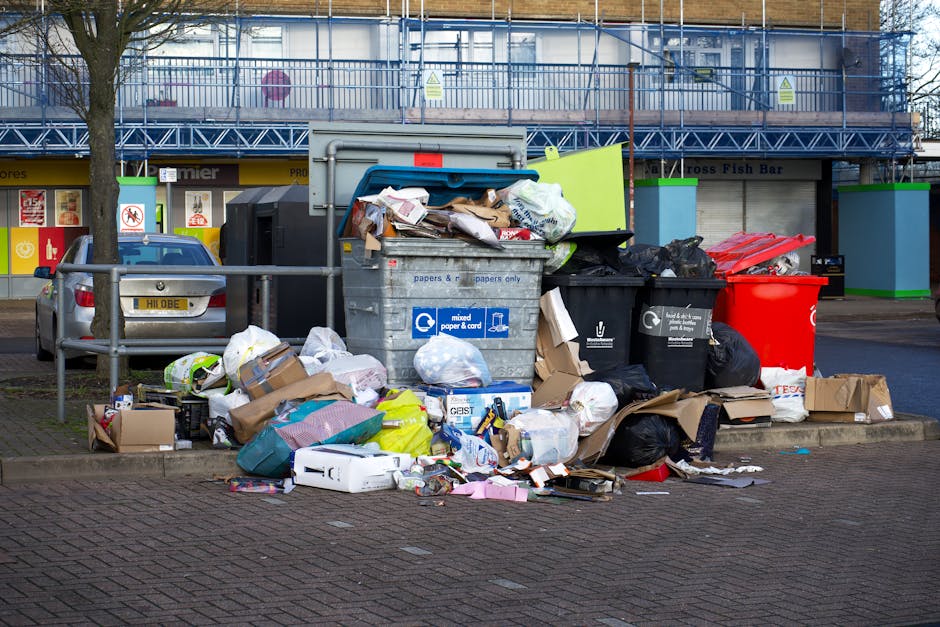
If you've ever booked rubbish removal and then watched the final bill creep up, you already know the problem: the quote looked fine, but the extras arrived later. For anyone trying to avoid hidden fees in Barnet Council rubbish removal jobs, the real skill is not just finding a cheap price. It's understanding how quotes are built, what can change on the day, and which details should be confirmed before anyone lifts a single bag. That matters whether you're clearing a flat near the High Road, emptying a garage, or dealing with builders' waste after a weekend DIY job.
This guide breaks the process down in plain English. You'll see where hidden costs usually come from, how to compare quotes properly, what to ask before booking, and how to spot the sort of pricing language that sounds tidy but leaves room for awkward surprises. Let's face it, no one wants to be negotiating next to a pile of old furniture while the van is already outside.
Why Avoid hidden fees in Barnet Council rubbish removal jobs Matters
Hidden fees are more than a nuisance. They can turn a tidy, manageable job into something stressful and expensive very quickly. In rubbish removal, the price is often shaped by volume, weight, access, labour time, parking, disposal charges, item type, and whether the load contains anything awkward or restricted. If any of those factors is left vague, the final amount can change.
For households and small businesses in Barnet, that uncertainty matters because disposal jobs are often time-sensitive. Maybe you're moving out, maybe you're trying to restore order after a clear-out, or maybe you just need space back before visitors arrive. A hidden surcharge can derail the budget and create friction at the worst moment.
There is also a trust issue. A clear quote signals that the provider understands the job and is prepared to explain it properly. A murky one can mean the opposite. You should be able to see how the price is put together, even if the job itself is simple.
Practical takeaway: a good rubbish removal quote should explain what is included, what could change the price, and who pays for any extra handling before the job begins.
If you're comparing broader waste services too, it can help to look at a provider's pricing and quote approach alongside the service description, not just the headline number. That simple habit catches a lot of nonsense before it starts.
How Avoid hidden fees in Barnet Council rubbish removal jobs Works
The cleanest way to think about rubbish removal pricing is this: the initial quote is an estimate based on the information given, and the final price is confirmed once the team sees the load in real life. That is normal. The problem begins when the estimate is too loose or when the customer is not told which factors may trigger a change.
In practical terms, a quote may be based on:
- the approximate amount of rubbish or number of items
- the type of waste, such as household, garden, office, or builders' material
- access conditions, including stairs, narrow hallways, or no parking nearby
- labour time required to load the waste safely
- disposal or recycling costs tied to the material
A fair provider usually explains which of these are fixed and which are variable. That distinction is everything. For example, a sofa on the ground floor with easy roadside access is very different from the same sofa being carried down three flights of stairs in a tight terrace house. Same item. Different labour. Different price.
Another point people miss is that some quotes are "from" prices. That is not automatically bad, but it should be clear what assumptions sit behind the figure. If a company says "from GBPX" and leaves it there, you need more detail before proceeding. What happens if the collection fills the van more than expected? Is a second team member required? Is there a congestion or parking complication? Those questions save arguments later.
For jobs involving mixed rubbish or awkward access, it's worth reading more specialist guidance such as builders' waste clearance or house clearance, because the pricing logic can differ from a simple household collection.
Key Benefits and Practical Advantages
Getting pricing right is not just about avoiding irritation. It creates real practical benefits.
- Better budgeting: you can plan the cost alongside moving, decorating, or rental deadlines.
- Less stress on the day: no awkward renegotiation while a van is waiting outside.
- Faster decision-making: clear pricing makes it easier to choose between rubbish collection, skip hire, or a full clearance.
- More accountability: a detailed quote gives you something to compare if the final price changes.
- Cleaner service matching: the right job type gets the right team, vehicle, and disposal method.
There's also a less obvious benefit: a transparent quote often reflects a more organised operation. That tends to matter more than people think. Companies that explain pricing well usually explain the whole job well, from access checks to waste sorting. It's not a perfect rule, of course, but it's a decent sign.
If you are weighing different service types, a quick look at the service overview can help you match the job to the right solution instead of paying for the wrong one. That alone can save money, and a bit of headache too.
Who This Is For and When It Makes Sense
This advice is useful for just about anyone arranging waste removal in Barnet, but it matters most if your job has one or more of these features:
- you have limited time and need a collection on a specific day
- the waste is bulky, heavy, or mixed
- access is awkward, such as basement flats, top-floor homes, or narrow side passages
- you are clearing a property between tenants or before a sale
- you are dealing with office, shop, or stockroom waste
- you want a cleaner alternative to a skip but need predictable costs
It also makes sense if you are comparing services after a renovation, garden project, loft clear-out, or garage clear-up. Those jobs often look simple from the outside and then become oddly specific once the team sees the actual pile. A pile of "just a few things" can become a tonne of effort in no time at all. Human nature, really.
For commercial settings, the pricing risks are different. A shop or office might need out-of-hours access, locked storage movement, or a faster turnaround. If that sounds familiar, it may be worth reviewing office clearance and commercial rubbish removal guidance before requesting quotes.
Step-by-Step Guidance
Here is a practical way to avoid surprises and keep the booking process under control.
- List everything that needs removing. Be specific. "Old furniture" is less helpful than "two wardrobes, one mattress, one desk, and six black sacks."
- Take photos from a few angles. This helps the provider judge the volume and access. Don't hide the awkward corner. It will show up on the day anyway.
- Describe the access honestly. Mention stairs, parking distance, lift availability, shared entrances, locked gates, or tight corners.
- Ask what is included in the quote. Labour, disposal, VAT if applicable, lifting from indoors, and sweeping up are all worth clarifying.
- Ask what could change the price. This is where hidden fees are usually born. Make them spell it out.
- Confirm the waste type. Some loads need special handling. Builders' rubble, fridges, paint, mattresses, and electrical items can all affect cost.
- Get the quote in writing. Even a short written summary is better than "don't worry, we'll sort it."
- Check the collection timing. If the team charges waiting time, late access can hurt the budget.
- Recheck the load just before pickup. If you've added another pile in the meantime, say so. Surprises are expensive.
That sounds straightforward, and it is. The key is doing the boring little things properly. Boring saves money. Annoying, but true.
Expert Tips for Better Results
After enough rubbish removal jobs, the same patterns show up again and again. These are the habits that usually lead to better pricing and fewer disputes.
- Use item counts where possible. A count of sofas, bags, and appliances is more useful than vague descriptions.
- Separate easy access from difficult access waste. If some items are outside and some are in a loft, say that clearly.
- Be cautious with "all-in" claims. Ask what "all-in" actually covers. It can mean different things to different teams.
- Ask whether sorting is included. If the team needs to separate recyclable and non-recyclable waste, that affects handling time.
- Keep an eye on parking. A van close to the property is often easier and cheaper to work with than a long carry from the nearest legal space.
One more thing: if you are dealing with fragile access, a basement, or a shared staircase, mention it plainly. There's no benefit in sounding heroic and saying "it should be fine." We've all said that before. It rarely ends well.
For homes with awkward layouts or tight entrances, the kind discussed in tight-access home clearance advice, access details can be just as important as the rubbish itself. Sometimes more so.
Common Mistakes to Avoid
The biggest pricing mistakes are usually simple, not dramatic.
- Booking on headline price alone. A low opening figure can hide add-ons later.
- Underestimating volume. If the load fills more of the van than expected, the price may rise.
- Forgetting about access. Stairs, distance, and parking all matter.
- Not declaring special items. Mattresses, fridges, electronics, and construction waste may be priced differently.
- Assuming waste removal and skip hire work the same way. They don't. The pricing model, time pressure, and loading responsibility are different.
- Leaving the job vague. "A bit of clearance" is the kind of phrase that causes trouble later.
A very common one is forgetting the loft or garage pile until the team arrives. Suddenly the job is bigger, the van is fuller, and the bill looks different. That's not always a scam; sometimes it's just poor preparation. But to be fair, the result is still the same for your wallet.
Tools, Resources and Recommendations
You do not need fancy software to manage a rubbish removal job properly. A few simple tools do the job well:
- Phone camera: take clear photos of the waste and access route.
- Notes app: list every item, room, or area that needs clearing.
- Measuring tape: useful for doorways, stair turns, and bulky furniture.
- Calendar reminder: helps you check whether the booking still matches your moving or renovation schedule.
- Printed or saved quote: keep a copy so you can compare what was promised with what was delivered.
As for recommendations, use service pages and policy pages to judge how a company handles clarity and trust, not just how they market the job. For example, a clear explanation of payment and security and insurance and safety usually tells you a lot about whether the provider is organised enough to avoid messy billing later.
If you care about where the waste goes, look at the approach to recycling and sustainability. That will not magically remove fees, but it does help you judge the service more intelligently. And if the job involves outdoor waste, garden waste removal guidance may be useful too.
Law, Compliance, Standards, or Best Practice
When rubbish is collected in the UK, the provider should operate within the usual waste-handling rules and take proper care with disposal, transport, and record-keeping where required. You do not need to become a compliance expert, but it is sensible to expect lawful handling, honest description of the service, and transparent pricing.
Best practice usually includes:
- giving a clear quote or a clearly explained estimate
- describing any likely extras before the job starts
- separating general waste from items that need special handling
- using trained staff and appropriate safety procedures
- providing terms that are easy to understand
If you are not sure how a company structures its work, it is reasonable to review the terms and conditions before accepting a booking. That is especially useful where access, labour time, or waste type could affect the final amount.
One gentle caution: this is not legal advice, and it is not a substitute for checking the details of your specific arrangement. If a job has unusual items or unusual access, ask for the pricing assumptions in plain English. That is still the best protection.
Options, Methods, or Comparison Table
If you want to avoid hidden charges, it helps to compare the usual rubbish disposal methods side by side. The cheapest-looking option is not always the cheapest in the end.
| Method | Best for | Main hidden-fee risk | What to check first |
|---|---|---|---|
| Man and van rubbish removal | Quick clear-outs, mixed household waste, bulky items | Labour, access, and volume changes | What is included in the quote and how access affects price |
| Skip hire | Longer projects, ongoing DIY, heavier waste | Permit needs, hire period, overfilling | Time limits, placement rules, and permit responsibility |
| Full house clearance | Large property clear-outs, probate, moving house | Item sorting, labour time, and fragile access | Whether labour, loading, and disposal are all included |
| Specialist waste removal | Garden waste, builders' rubbish, office clearance | Material-specific handling and disposal costs | Whether the service matches the waste type exactly |
For many Barnet jobs, the right answer is not "the cheapest option" but "the option with the least ambiguity." That sounds less glamorous, admittedly, but it usually works better.
Case Study or Real-World Example
Here's a realistic example from the sort of job people arrange all the time.
A homeowner in Barnet needs a mix of old wardrobe panels, broken shelving, two chairs, several sacks of loft clutter, and a small amount of garden waste removed before new flooring is fitted. They request a quote by phone and say it is "about a van load." The provider gives a rough price, but the customer does not mention that the loft is reached by a narrow staircase and that parking is limited on the road.
On the day, the team discovers the items are spread across the loft, shed, and front hallway. The job takes longer than expected. The final price rises because the labour and access assumptions were wrong from the start.
Now compare that with the better version of the same job:
- the customer sends photos of each area
- they list the items in writing
- they mention the narrow stairs and parking limitation
- they ask what would change the quote
- they get the terms confirmed before booking
The outcome is usually calmer and more predictable. Not magical, just better prepared. That's often all it takes.
If you want to keep the process simple, booking through a clear enquiry route such as the contact page can be a good starting point, especially when you already know the job details and want everything stated clearly from the outset.
Practical Checklist
Use this quick checklist before you confirm any Barnet rubbish removal booking:
- Have I listed every item or area that needs clearing?
- Have I taken recent photos of the waste and access route?
- Have I explained stairs, parking, gates, lifts, or tight spaces?
- Do I know whether the quote includes labour, loading, disposal, and VAT if applicable?
- Have I asked what could make the final price higher?
- Have I identified any special items such as fridges, mattresses, or builders' waste?
- Have I saved a written quote or message confirmation?
- Do I know the collection time and whether there are waiting-time rules?
- Have I checked the terms and payment details?
- Am I comparing the right service type for the job?
If you can tick most of those off, you are already ahead of the game. Honestly, quite a lot ahead.
Get a free quote today and see how much you can save.
Conclusion
The easiest way to avoid hidden fees in Barnet Council rubbish removal jobs is to slow the process down just enough to ask the right questions. A good quote should feel clear, not slippery. It should explain the job, name the likely variables, and leave little room for surprises when the van turns up.
Whether you are clearing one bulky item or arranging a bigger property clearance, the same principle applies: accuracy beats guesswork. Describe the waste properly, be honest about access, and ask for the pricing assumptions in writing. That small bit of discipline can save money, reduce stress, and make the whole experience far smoother.
And if the job still feels messy? That's normal. Most clear-outs are a bit chaotic before they get better. The good news is that a transparent quote and a sensible plan can make the whole thing feel manageable again.